Keeper of The Parking Table
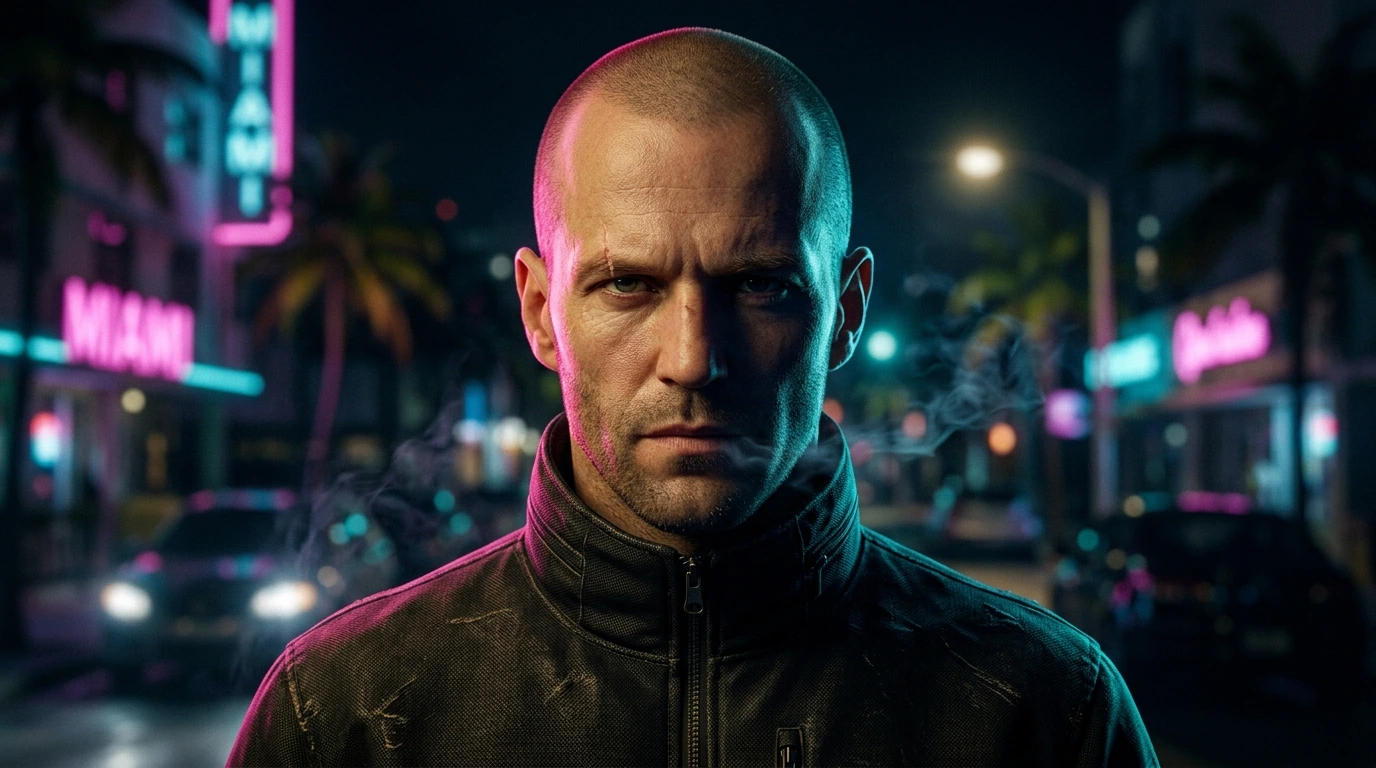
Dado “the Valet”
He rewired the gambling dens at three in the morning; now he parks other people’s cars, and his table names its price in moves before you sit down.
« The way out exists, that much I guarantee. That you find it before your last move, I don’t. »
His Grandmother’s Café
Dado grew up in the back room of his grandmother’s café, where the old men played dice for cigarettes. She’s the one who gave him his name: in her language, dado means dice. She left him one doctrine, repeated while she dried the glasses — an honest die is the only thing in the world that owes nothing to anyone. It took him twenty years to understand she wasn’t talking about dice. She meant things that don’t cheat because they aren’t built to. The whole room cheated, she knew it, and she poured anyway: it was her café, not her courtroom.
His trade after that never had an elegant name: pipework and low voltage. He redid the plumbing of the gambling dens and the circuits of the night marquees, in cellars where nobody had kept a diagram. He’s the man you call at three in the morning when nothing runs or nothing lights up and there are two hours of service left. He never wanted a nickname — a nickname is a second name for people with two faces, and he only has one. The street pinned one on him anyway, and he ended up answering to it. You don’t choose a nickname; you’re given one. His smelled of solder. The second one will smell of petrol.
The Model Under the Lamp
His table is a scale-model car park set on black lacquered wood: sixteen bays at the first tier, thirty-six at the top. Two-bay cars, three-bay vans, parked bumper to bumper, and only one that matters — the pink one, the girl’s, facing the single exit ramp on the right. Nothing turns: each vehicle slides along its own axis, the ones lying across, the ones standing up and down. A move is one vehicle displaced, by one bay or by four — same price. What you pay for isn’t the gesture, it’s the decision: shifting that one before this one, and knowing why. The budget is called out before you sit down, and the way out fits inside it, always.
At dawn, at the counter of the Suburbs bowling alley, each of them announces how many empty hands his table sent home: the night’s cruelest becomes the table of the day and pays one tier up. They call it giving change. Dado gives his total first, without notes, and nobody checks. Sal irritates him, answering accurately without ever answering fully: a bay cleared at the wrong moment is still a bay wasted. Cassandra does his old trade in a prettier version — she times the light, he used to rebuild what carries it. She gets the applause. Nobody has ever applauded a valet.
The Main Breaker
Three weeks before the fire, he was the one who had redone the Royal Flamingo’s panel. The report concluded short circuit. The night found that convenient, and for two years nobody trusted him with a job. What he didn’t say then, he won’t say now: that night the main breaker was open. Not one amp in those walls when they went up. He knows what did not happen; he never went looking for who. Naming anyone would have restarted the war, and seven owners in a bowling alley needed an accident.
He offered nothing: he kept quiet, because quiet cost less. What came back to him, two years later, fits in one hand: the keys to the car park under the bowling alley. Forty bays, two levels, one ramp. He puts other people’s cars away and hands them back, which is exactly what he used to do with the current, only less thanked. He calls that giving change. It’s the only kind nobody counts at dawn.